Himalayan Pink Salt FAQ: Benefits, Uses and Real Answers | Saltyan Natural
Is Himalayan pink salt really healthier? Where does it come from and how do you use it? Get clear answers to the 15 most asked questions from Saltyan Natural.
Himalayan pink salt | Himalayan pink salt, pink salt benefits, is pink salt healthy, pink salt vs table salt, what is Himalayan salt, how to use Himalayan salt, real Himalayan pink salt, Himalayan rock salt, Khewra salt
Himalayan Pink Salt: 15 Most Asked Questions, Answered Honestly
Himalayan pink salt has moved from specialty shops into everyday kitchens, bathrooms and wellness routines. Search for it online and you will find bold promises, confusing claims and a lot of opinions. People want simple answers: What is it? Is it really better than regular salt? How should I use it?
At Saltyan Natural, we work with salt every day, and we believe in telling you what is true, not just what sells. This guide answers the 15 questions people ask most often about Himalayan pink salt, in plain language. Whether you are a home cook, a health-conscious shopper or simply curious, you will find a clear answer below.
1. What is Himalayan pink salt?
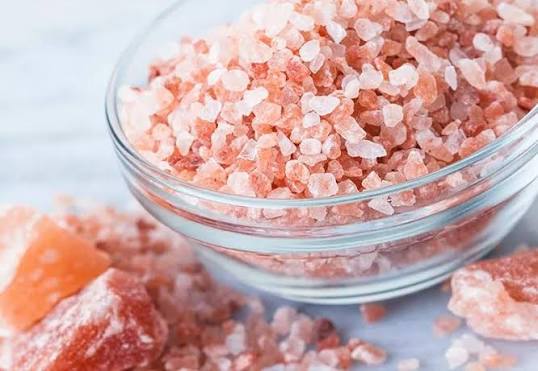
Himalayan pink salt is a natural rock salt (halite) that is mined from ancient underground salt deposits and sold in shades from pale pink to deep rose and reddish orange. It is unrefined or minimally processed, which means it is usually crushed, washed and packed without the heavy refining used for standard table salt.
These deposits formed hundreds of millions of years ago when prehistoric seas dried up and the salt was later buried under layers of rock. That is why many people call it "ancient sea salt" or "rock salt." Chemically, it is mostly sodium chloride, just like other salts, with small amounts of other minerals.
2. Where does Himalayan pink salt actually come from?
Most genuine Himalayan pink salt is mined at the Khewra Salt Mine in the Punjab province of Pakistan. It is one of the largest and oldest salt mines in the world, and it lies in the Salt Range, a region at the foothills of the Himalayan mountain system. That is where the name "Himalayan" comes from.
So while the salt is not dug out of the highest Himalayan peaks, the name reflects the geographical region it belongs to. If a product does not mention where it comes from, ask for the source. A trustworthy seller will tell you.
3. Why is Himalayan salt pink?
The pink colour comes from trace minerals, mainly iron oxide, which is the same compound that gives rust and many red clays their colour. The more iron oxide a crystal contains, the deeper the pink or red. Some pieces also appear white, orange or even translucent because the mineral content varies from crystal to crystal.
This variation is a good sign. If every crystal in a bag is exactly the same bright colour, the product may have been dyed or blended.
4. Is Himalayan pink salt healthier than regular table salt?
This is the most searched question, and the honest answer is: only slightly, and not in the way many websites claim.
Himalayan pink salt is about 97 to 99 percent sodium chloride. The remaining 1 to 3 percent contains trace minerals such as potassium, magnesium and calcium. These amounts are so small that you would have to eat unsafe quantities of salt to get a meaningful nutritional benefit from them. Your body gets those minerals far more efficiently from vegetables, fruit, nuts and dairy.
Where pink salt does have an advantage is in being less processed and free from anti-caking agents in many cases. Many people also prefer its flavour and texture. But it is still salt, and it should still be eaten in moderation.
5. What are the real benefits of Himalayan pink salt?
The benefits that hold up are practical rather than miraculous:
Less processing: It is usually harvested and washed with little refining.
Flavour and texture: Coarse crystals add a mild, rounded saltiness and a pleasant crunch as a finishing salt.
Visual appeal: The colour makes dishes, platters and tables look better.
Versatility: It can be used in cooking, curing, baking, brining, bath soaks and even as a serving surface.
Be cautious about claims that pink salt detoxifies the body, balances pH, cures illness or helps you lose weight. These claims are not supported by solid scientific evidence. Your liver and kidneys already handle detoxification.
6. Does Himalayan pink salt contain iodine?
Natural Himalayan pink salt contains very little iodine unless iodine has been added. Most table salt is iodised on purpose to help prevent iodine deficiency, which can affect the thyroid.
If you rely on iodised salt as your main source of iodine, switching fully to pink salt may reduce your intake. You can balance this by eating iodine-rich foods such as dairy, eggs, fish and seaweed, or by using iodised salt for part of your cooking. If you have a thyroid condition or are pregnant, speak to your doctor or dietitian before changing your salt.
7. Does pink salt have less sodium than table salt?
By weight, they are almost the same. Both are mostly sodium chloride, so a gram of pink salt delivers roughly the same sodium as a gram of table salt.
The difference shows up when you measure by volume. Coarse pink salt crystals are larger, so a teaspoon of coarse pink salt contains less salt (and less sodium) than a teaspoon of fine table salt, simply because there is more air between the crystals. This is why recipes that call for a teaspoon of fine salt can taste too weak if you swap in coarse crystals one for one. When accuracy matters, measure by weight.
8. Is Himalayan pink salt good for high blood pressure?
No salt is a treatment for high blood pressure. Health organisations recommend limiting total sodium intake, and that applies to Himalayan salt just as much as to table salt, sea salt or black salt.
If you have high blood pressure, heart disease or kidney problems, your doctor may set a specific sodium limit. Pink salt can still be part of your meals, but it should be counted as sodium, not treated as a free pass.
9. How much Himalayan salt is safe to eat per day?
Most health guidelines suggest keeping sodium below about 2,300 mg per day, which is roughly one teaspoon of salt from all sources combined. Many people eat far more than this without realising, because packaged and restaurant food is already high in sodium.
A practical approach is to season food at the end of cooking, taste first and add small pinches. Finishing salt gives you more flavour from less quantity because the crystals hit your tongue directly.
10. How do you cook with Himalayan pink salt?
You can use it almost anywhere you would use regular salt:
Fine pink salt: Everyday cooking, baking, soups, curries, dough and marinades. It dissolves quickly.
Coarse pink salt: Salt grinders, roasting vegetables, brining meat and seasoning pasta water.
Pink salt flakes or crystals: Finishing steaks, salads, eggs, avocado toast and desserts such as chocolate or caramel.
Tip: if you are replacing table salt with fine pink salt, the swap is nearly one for one. If you are using coarse crystals, add a little more or grind them first.
11. What is a Himalayan salt block and how do you use it?
A Himalayan salt block is a thick slab of solid rock salt used for cooking, chilling and serving. You can grill, sear or bake foods on it, and the block gently seasons the food as it cooks. Chilled blocks are also popular for serving sushi, fruit, cheese and cold appetisers.
To use one safely:
Heat it slowly, starting on low and increasing over 30 to 40 minutes, because sudden heat can crack it.
Make sure the block is completely dry before heating.
Do not soak it in water. Wipe it with a damp cloth, then let it dry fully.
Expect it to change colour and develop small cracks over time. That is normal.
12. Can you use Himalayan pink salt in a bath?
Yes. Many people use Himalayan bath salt for a relaxing soak. Warm water with dissolved salt can help you unwind, and some people find it soothing for tired muscles. These are comfort benefits, and it is better to think of them as a spa-style routine than as medical treatment.
To try it, dissolve a handful or about half a cup of salt in a warm (not hot) bath and soak for 15 to 20 minutes. Rinse afterwards if your skin feels dry. Avoid salt baths if you have open wounds, very sensitive skin or a skin condition, unless your doctor agrees.
13. How can you tell if Himalayan pink salt is real?
No single test is perfect, but several signs help:
Natural variation: Real salt has crystals in different shades. Perfectly uniform colour can mean dye or blending.
Source information: Reliable sellers say where the salt was mined and how it was processed.
Clean ingredients list: It should list salt and nothing else, other than iodine if it is an iodised version.
Price: An unusually cheap product may not be genuine.
Taste: Real pink salt tastes clean and salty, without a chemical or bitter aftertaste.
Buying from a brand that is transparent about sourcing is the simplest way to be sure.
14. How should you store Himalayan pink salt?
Keep it in an airtight container in a cool, dry place away from direct sunlight and moisture. Salt does not spoil, but it can clump when it absorbs humidity. A glass jar, ceramic salt cellar or wooden box with a lid works well in the kitchen. If clumping happens, spread the salt on a tray and let it dry, or break the lumps with a spoon.
15. Does Himalayan pink salt expire?
Pure salt does not expire. It is a mineral, so it does not go bad the way food does. Some packs carry a best-before date for packaging, flavour blends or added ingredients, but plain pink salt stays safe to use as long as it is kept clean and dry. Discard it only if it becomes contaminated by water, dirt or pests.
Quick Summary:
Himalayan pink salt is a flavourful, minimally processed rock salt that is mainly mined in the Khewra region of Pakistan. It is lovely to cook with and easy to use in many ways, but it is not a miracle product. Treat it as a high-quality salt, use it in sensible amounts and enjoy the taste.
Choosing the right salt should feel simple. Look for clear sourcing, natural-looking crystals and honest labelling. At Saltyan Natural, we offer a complete range of salt products, including Himalayan pink salt in fine, coarse and block forms, so you can pick the one that suits your kitchen and lifestyle.
Have a question we did not cover? Send it to our team and we will be happy to help.
Disclaimer: This article is for general information and does not replace medical advice. Speak to a qualified health professional about your diet if you have a medical condition.